Florida Roof Maintenance Checklist: Prevent Leaks Before They Start
import { CTA } from "@/components/blog/cta"; import { DownloadLink } from "@/components/blog/download-link"; import { InternalLink } from "@/components/blog/internal-link"; import { FAQSection } from "@/components/blog/faq-section";
If you own a home in Florida, you already know that your roof faces challenges most states never dream of. Between relentless UV exposure, torrential afternoon thunderstorms, salt air on the coast, and hurricane-force winds, a Florida roof works overtime 365 days a year.
The good news? Most roof leaks are preventable with regular maintenance.
At Shield Roof Pro, we've inspected and repaired thousands of roofs across Spring Hill, Hudson, New Port Richey, Holiday, Port Richey, Elfers, and Clearwater Beach. The pattern is always the same: homeowners who perform routine maintenance catch small problems before they become five-figure repairs. Homeowners who don't? They call us after water is already staining their ceilings.
This guide gives you a practical, season-by-season roof maintenance checklist designed specifically for Florida conditions. It's not about gutters or flashing — those get their own dedicated guides. This is your core roof-health playbook.
<DownloadLink href="/downloads/florida-roof-maintenance-checklist.pdf" label="Download the Printable PDF Checklist" />
Why Florida Roofs Need a Different Maintenance Approach
Florida's climate is brutal on roofing materials. The sun beats down with an average of 237 sunny days per year in the Tampa Bay area. Then, without warning, a summer thunderstorm dumps two inches of rain in 30 minutes. Then the sun returns, baking everything.
This cycle creates unique problems:
Thermal expansion and contraction causes shingles, tiles, and underlayment to flex repeatedly, loosening fasteners and opening seams over time UV degradation breaks down asphalt shingle granules and dries out sealant strips, sometimes years before the manufacturer's rated lifespan Algae and moss growth thrives in Florida's humidity, lifting shingle edges and trapping moisture against the roof deck Salt corrosion affects metal components — nails, drip edges, ridge caps — especially for homes within 10 miles of the Gulf of Mexico Wind uplift from daily gusts and seasonal storms gradually loosens shingles and tiles that look fine from the ground
A generic "check your roof twice a year" checklist from a Midwest website won't catch these Florida-specific failure modes. That's why we built this one.
Seasonal Roof Maintenance Checklist for Florida Homes
Spring (March–May): Pre-Hurricane Season Preparation
Spring is the most critical maintenance window in Florida. Hurricane season starts June 1, and you want your roof in peak condition before the first named storm forms.
Inspect shingle or tile condition: Walk the perimeter of your home with binoculars and look for curled, cracked, or missing shingles. On tile roofs, check for cracked or slipped tiles. Even one missing shingle creates a direct path for wind-driven rain to reach your roof deck.
Check granule loss in gutters and downspouts: While this checklist focuses on the roof itself, granule accumulation in your drainage system tells you about shingle health. Excessive granules mean your shingles are past midlife and losing their UV protection layer.
Examine roof valleys: Valleys channel the most water on your roof. Look for debris buildup, exposed underlayment, or any signs of wear. Valley failures account for a disproportionate number of Florida roof leaks.
Test skylight seals: Check the rubber gaskets and flashing around any skylights. Florida UV exposure dries and cracks these seals faster than anywhere else in the country. Press gently — if the seal crumbles, it needs replacement.
Look for sagging areas: From ground level, sight along your roofline. Any dip, sag, or uneven plane could indicate deck deterioration or structural issues that need immediate professional evaluation.
Trim overhanging branches: Any tree limb within 10 feet of your roof is a threat during a storm. Branches scrape shingles during wind, drop debris that traps moisture, and provide highways for squirrels and raccoons.
Summer (June–August): Storm Season Vigilance
Summer in Florida means daily thunderstorms, high humidity, and peak heat. Your roof is under maximum stress.
After every major storm, do a visual check: You don't need to climb on the roof. From the ground, look for visible damage — missing shingles, dents on metal roofs, or debris impacts. Catching storm damage early prevents secondary water damage.
Check for interior water stains: After heavy rain, inspect your attic and upper ceiling areas. Brown spots, damp insulation, or dripping water mean your roof barrier has been compromised somewhere.
Monitor attic ventilation: Poor attic ventilation in Florida summer heat pushes roof deck temperatures past 160°F, baking shingles from underneath. Make sure ridge vents, soffit vents, and gable vents are unobstructed.
Watch for algae streaks: Those black streaks you see on roofs across Pasco and Pinellas counties? That's Gloeocapsa magma — a cyanobacteria that feeds on limestone filler in asphalt shingles. Left unchecked, it degrades shingle integrity and cuts lifespan by 5–10 years.
Inspect around roof penetrations: AC units, vent pipes, and satellite dishes all penetrate your roof barrier. Look for cracked caulk, lifted sealant, or gaps. These are the most common leak points on an otherwise healthy roof.
Fall (September–November): Post-Storm Recovery Assessment
Fall is when you assess what the storm season did and prepare for drier months.
Document any storm damage: If you noticed damage during summer, now is the time to get a professional inspection. Many homeowners wait until a leak appears inside — by then, rot and mold are already established.
Check for moss growth: Fall humidity combined with fallen debris creates ideal moss conditions, especially on north-facing roof slopes that get less direct sun. Moss lifts shingle edges and holds moisture against the roof surface.
Inspect soffits and fascia from the ground: Look for peeling paint, soft spots, or water stains on the boards along your roofline. These indicate water is getting behind your roofing system somewhere.
Clear roof surface debris: Leaves, pine needles, and palm fronds that accumulate on flat or low-slope sections trap moisture and accelerate deterioration. Florida's live oaks and slash pines shed constantly.
Review your attic insulation: Wet insulation loses its R-value and holds moisture against your roof deck. If you find damp batts or blown-in insulation, you likely have an active leak that needs tracking down.
Winter (December–February): Annual Deep Assessment
Winter is Florida's dry season and the best time for thorough evaluation without daily storm pressure.
Schedule a professional roof inspection: Even if everything looks fine from the ground, a trained inspector will catch issues you can't see — early underlayment failure, nail pop patterns, subtle deck softening. Annual professional inspections are the single best investment in roof longevity.
Check interior ceilings and walls: Winter's dry air makes old water stains more visible. Any discoloration, bubbling paint, or warped drywall on upper floors traces back to a roof issue.
Assess roof age and plan ahead: Most asphalt shingle roofs in Florida last 15–20 years, not the 25–30 years manufacturers quote for temperate climates. If your roof is approaching 15, start planning and budgeting for replacement before it fails on you.
Review insurance policy and documentation: Make sure you have dated photos of your roof's current condition. If you need to file a claim later, having "before" documentation speeds the process enormously.
What to Do When You Find a Problem
Finding an issue during your inspection is actually a win — it means you caught it early. Here's how to triage:
Immediate emergency (active leaking, structural sag, large missing sections): Call a licensed roofing contractor the same day. Water damage compounds exponentially — a $300 repair today becomes a $3,000 repair next month once rot sets in.
Urgent but not critical (curled shingles, minor granule loss, small sealant gaps): Schedule a professional inspection within two weeks. These issues won't cause a leak tomorrow, but they're the seeds of one.
Monitor and recheck (mild algae, cosmetic wear, normal aging): Note the issue on your checklist and monitor it next season. Take photos to track progression over time.
At Shield Roof Pro, we offer free roof inspections across Spring Hill, Hudson, New Port Richey, Holiday, Port Richey, Elfers, and Clearwater Beach. If your checklist reveals something you're unsure about, a professional second opinion costs nothing and could save everything.
Maintenance Mistakes Florida Homeowners Make
We see these mistakes constantly, and they turn minor maintenance issues into major repairs:
Pressure washing the roof: High-pressure water strips granules from asphalt shingles, cracks clay tiles, and forces water under the roofing barrier. If you need algae removed, use a soft-wash treatment with an EPA-approved algaecide.
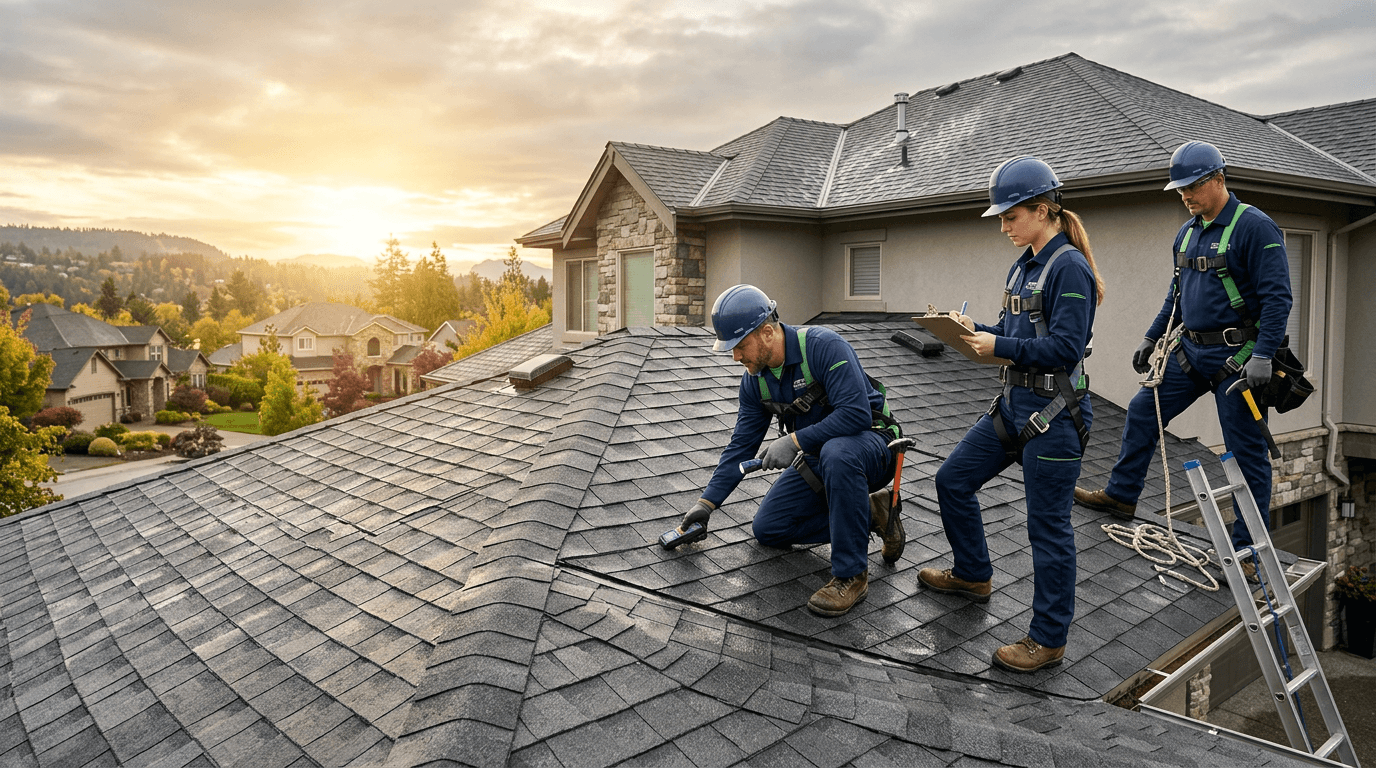
Walking on the roof yourself: Beyond the fall risk, foot traffic cracks shingles, dislodges tiles, and voids most manufacturer warranties. Keep inspections to ground-level binocular views unless you're a trained professional with proper fall protection.
Using unlicensed handymen for roof repairs: Florida requires a licensed roofing contractor for any structural roof repair. Unlicensed work often voids your insurance policy and manufacturer warranty. Always verify the license through Florida DBPR before anyone touches your roof.
Ignoring the attic: Your roof system includes the deck, underlayment, ventilation, and insulation. Problems in the attic — condensation, poor ventilation, pest damage — manifest as roof problems. Check both sides of the barrier.
Waiting for visible leaks: By the time water drips from your ceiling, the damage path has existed for weeks or months. The shingle or tile that failed might be three feet away from where the water appears. Proactive maintenance finds the failure before the leak.
When to Call a Professional vs. DIY
Some maintenance tasks are safe and reasonable for homeowners. Others require a licensed professional every time.
Safe DIY tasks (ground level only): Visual inspection with binoculars Trimming overhanging tree branches Checking gutters for granule accumulation Inspecting attic for stains and moisture Documenting conditions with photos
Always call a licensed professional: Anything that requires climbing on the roof Repairing or replacing shingles or tiles Sealing or repairing roof penetrations Addressing structural sagging or deck softening Algae or moss treatment beyond basic prevention Any work after a major storm event
Protect Your Biggest Investment Year-Round
Your roof protects everything else in your home — your family, your belongings, your structure. In Florida's extreme climate, a disciplined maintenance routine isn't optional. It's the difference between a roof that lasts its full lifespan and one that fails years early.
Print this checklist. Put reminders on your calendar for each season. Take photos every time you inspect so you can spot trends. And when something doesn't look right, get a professional opinion before it becomes an emergency.
At Shield Roof Pro, we live and work in this community. We know what Florida weather does to roofs because we see it every single day. Whether you need a free inspection, routine maintenance, or a complete replacement, we're here to protect your home.
<CTA phone="727-555-ROOF" text="Ready to protect your roof before the next storm? Call Shield Roof Pro for a free inspection." servicesArea="Serving Spring Hill, Hudson, New Port Richey, Holiday, Port Richey, Elfers, and Clearwater Beach, Florida" />
Related reading: Why an Annual Roof Inspection Saves Thousands in Leak Repairs Hurricane Season Roof Prep: Protect Your Home Before June How Clogged Gutters Cause Roof Leaks and How to Prevent It
<FAQSection questions={[ { question: "How often should I check my roof in Florida?", answer: "In Florida, you should visually inspect your roof from the ground at least once per season — four times per year. Additionally, perform a quick check after any major storm with high winds or hail. A professional inspection should be scheduled annually, ideally in winter during Florida's dry season." }, { question: "What is the most common roof problem in Florida?", answer: "The most common roof problem in Florida is UV-related shingle degradation. Intense sun exposure dries out asphalt shingles, causing granule loss, cracked sealant strips, and curled edges. Algae growth (black streaks) is the second most common issue, followed by storm damage from wind and debris." }, { question: "Can I walk on my own roof to inspect it?", answer: "We strongly recommend against walking on your roof. Beyond the significant fall risk, foot traffic damages shingles, cracks tiles, and voids most manufacturer warranties. Perform inspections from the ground using binoculars, and hire a licensed roofing professional for any hands-on assessment or repair." }, { question: "How long should a roof last in Florida's climate?", answer: "Asphalt shingle roofs typically last 15–20 years in Florida, compared to 25–30 years in temperate climates. Tile roofs can last 40–60 years with proper maintenance. Metal roofs last 30–50 years. Florida's UV exposure, humidity, and storm activity all shorten expected lifespans compared to manufacturer ratings." }, { question: "Is roof maintenance covered by homeowners insurance in Florida?", answer: "Homeowners insurance typically covers sudden, accidental damage from covered perils like storms or falling objects. It does not cover damage from deferred maintenance, normal wear and tear, or gradual deterioration. Regular maintenance is your responsibility — and it's the best way to ensure your insurance covers you when a genuine covered event occurs." } ]} />
Need professional roofing help?
Residential Roofing Contractors Pros serves the Tampa Bay area with 18+ years of experience. Request a free estimate through our contact form.
Request Free Estimate